
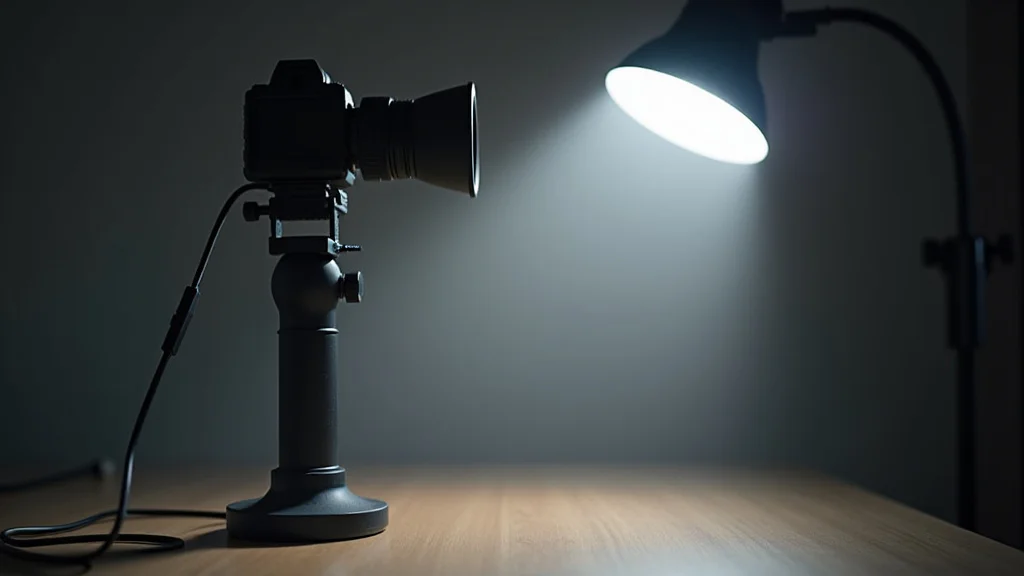
Picture this: you’re trying to highlight your favorite painting, but your current lighting just casts a harsh glare, washing out the colors. Frustrating, right? Or perhaps you’re setting up a retail space, and you need lighting that’s both stylish and functional, allowing you to direct the light exactly where it’s needed. This is where the magic of a gimbal light fixture comes into play. In this guide, we’ll explore everything from the basic functions to the advanced applications of these versatile lights. You’ll gain a solid grasp of how they work, the advantages they offer, and how to choose the perfect gimbal light fixture for your specific needs, increasing your time on page and reducing bounce rate.
Key Takeaways
- Gimbal light fixtures offer adjustable lighting, allowing for precise light direction.
- These fixtures are ideal for accent lighting and highlighting specific features.
- Different types of gimbal lights suit various applications, from residential to commercial.
- Understanding the key features helps in selecting the right fixture for your project.
- Installation varies based on the type, with both recessed and surface-mounted options.
- Knowing maintenance tips can keep your gimbal lights operating efficiently.
Unveiling the Versatility of Gimbal Light Fixtures
Gimbal light fixtures are a significant advancement in lighting technology, offering a level of flexibility and control that traditional fixtures cannot match. At their core, these lights are designed with a unique mechanism that allows for multidirectional aiming, enabling you to focus the light beam precisely where it’s needed. This is achieved through a pivoting or swiveling component, which is the defining characteristic of a gimbal. This directional control makes them a superior choice for accent lighting, highlighting artwork, merchandise displays, or architectural features. Compared to fixed lights, gimbal fixtures offer the ability to adapt to changing needs and design elements, making them a practical and stylish choice for both home and commercial spaces.
What Defines a Gimbal Light Fixture?
The term “gimbal” itself refers to a pivoted support that allows an object to rotate around a single axis. In the context of lighting, this means the light source, often an LED module or a traditional bulb, can be aimed and adjusted in almost any direction. This capability is what sets them apart from standard recessed or track lighting. This adjustability is a game changer for interior designers and homeowners alike, offering a way to direct light precisely where it is needed. This feature is particularly useful when the position of the object being lit might change or when you want to achieve a specific lighting effect.
- Directional Lighting: The primary function of a gimbal light fixture is to provide directional lighting. This means the light beam can be focused on a specific area or object, allowing for the creation of dramatic lighting effects. Unlike fixtures that spread light broadly, gimbals allow you to pinpoint the illumination.
- Aesthetic Appeal: Beyond functionality, gimbal lights contribute to the aesthetic of a space. Their sleek designs often blend seamlessly with the ceiling or surface, providing a modern look. This is especially true for recessed gimbal lights, which have a flush design, creating a clean and uncluttered visual.
- Energy Efficiency: Many gimbal light fixtures incorporate energy-efficient light sources, most commonly LEDs. LEDs consume significantly less energy than traditional incandescent or halogen bulbs, translating to lower electricity bills and reduced environmental impact.
This directional feature is achieved by the flexible mounting mechanism, which enables the light to be pivoted and tilted. The degree of adjustability can vary, but generally, gimbals allow for significant movement. This makes them ideal for highlighting artwork, architectural features, or any object that needs specific attention.
Manufacturers offer a variety of finishes, shapes, and sizes, so it’s easy to find fixtures that complement any interior design. Their adjustability also allows for interesting lighting patterns, adding visual interest. The way these lights can create dramatic shadows and highlights contributes greatly to the overall mood and atmosphere of the room.
LEDs also last longer, which reduces the need for frequent replacements. Many LED gimbal lights have a lifespan of tens of thousands of hours. The combination of energy efficiency and longevity makes them an economical and sustainable lighting choice. Additionally, LEDs produce very little heat, which reduces fire risk and HVAC costs.
Key Components and Functionality
To fully appreciate a gimbal light fixture, it’s essential to understand its various components and how they work together. The design generally includes a housing, a gimbal mechanism, the light source (often an LED), and a driver or transformer. The housing encases the entire unit, while the gimbal mechanism allows the light source to pivot. The light source emits the illumination, and the driver regulates the electrical current to the LED. Each part plays a critical role in the overall functionality and performance.
- The Housing: The housing provides a protective shell and often includes a heat sink to dissipate heat generated by the light source. The housing design varies based on whether the fixture is surface-mounted, recessed, or track-mounted.
- The Gimbal Mechanism: The heart of the fixture, the gimbal mechanism, is what allows for the light’s adjustability. This mechanism is usually a series of pivots or joints that enable the light head to tilt and rotate.
- The Light Source: Light sources in these fixtures are most commonly LEDs, favored for their energy efficiency and long lifespan. The choice of light source impacts brightness, color temperature, and energy consumption.
- The Driver/Transformer: The driver or transformer is a critical component that regulates the electrical current to the light source. This ensures that the LED receives the correct power, maximizing its lifespan and performance.
The housing can be made of various materials, including aluminum, steel, and plastic. The material choice affects durability, heat dissipation, and aesthetics. Recessed housings are designed to fit within a ceiling cavity, while surface-mounted housings are attached directly to the ceiling surface.
The range of motion varies, but most gimbals provide a wide range of adjustment. This allows for precise light aiming, which is crucial for accent lighting and creating desired lighting effects. The quality of the gimbal mechanism influences the smoothness of the adjustment and the fixture’s overall lifespan.
LEDs come in various forms, including COB (Chip on Board) and SMD (Surface Mount Device) LEDs. The color temperature (measured in Kelvin) determines the warmth or coolness of the light. For example, a lower Kelvin value (2700K-3000K) produces warm light, while a higher value (4000K-5000K) produces cool, daylight-like light.
The driver can be integrated into the housing or located separately, depending on the fixture’s design. The quality of the driver impacts the fixture’s reliability and energy efficiency. Some drivers also offer dimming capabilities, allowing you to adjust the light intensity.
Types of Gimbal Light Fixtures
Gimbal light fixtures come in various types, each tailored to specific applications and installation methods. Understanding these distinctions is important to make the best choice for your needs. The main categories include recessed, surface-mounted, and track-mounted. Each type offers unique advantages, and the appropriate selection depends on your project’s specific requirements.
Recessed Gimbal Lights
Recessed gimbal lights are designed to be installed within a ceiling or wall, creating a flush and integrated appearance. These are often used for a clean and minimalist aesthetic. They are ideal when you want the lighting to blend into the space without drawing excessive attention to the fixture itself. Recessed options are great for both residential and commercial spaces.
- Aesthetic Integration: Recessed fixtures create a streamlined appearance. The housing is concealed within the ceiling cavity, leaving only the adjustable light head visible.
- Installation Requirements: Installation requires pre-planning, as the ceiling must be prepared to accommodate the housing. This typically involves cutting a hole into the ceiling and securing the fixture within the space.
- Suitable Applications: Recessed gimbal lights are very popular for accent lighting. They highlight artwork, architectural details, or merchandise displays. They are commonly used in residential living rooms, kitchens, and hallways.
This design enhances the visual flow of a room. The result is a clean, uncluttered look. They are perfect for modern and contemporary interior designs. They also offer design versatility as you can adjust them after installation.
Recessed lights are great for new construction or remodeling projects. Installation usually involves wiring the fixture to the electrical system and securing it to the ceiling using clips or mounting brackets. This often involves professional electrical work.
Retail stores and commercial spaces benefit from their focused lighting. Their directional capabilities make them a favorite for spotlighting. They also offer a discreet and modern look.
Surface-Mounted Gimbal Lights
Surface-mounted gimbal lights are installed directly onto the ceiling or wall surface. These are a good choice when recessed installation is not possible or desired. They offer a simpler installation process compared to recessed options. This makes them convenient for retrofits and projects where it’s not practical to cut into the existing ceiling or wall structure. This type of fixture offers good adjustability and a streamlined appearance.
- Ease of Installation: Surface-mounted lights are easier to install than recessed models, as they do not require cutting into the ceiling. They mount directly to the surface using screws or other mounting hardware.
- Design Versatility: These lights come in a variety of styles and finishes. They provide a wider range of design choices, allowing for matching with other design elements.
- Common Usage Scenarios: Surface-mounted gimbal lights are popular in a range of environments. They’re good for residential kitchens, living rooms, and bedrooms. They’re also used in commercial spaces.
This makes them suitable for DIY projects and retrofits. Installation typically involves attaching a mounting plate to the ceiling and securing the fixture to the plate. Electrical connections are made directly to the wiring.
Surface-mounted fixtures can add a decorative element to the room. The housing can be designed to complement or contrast with the ceiling. Some models feature a minimalist look, while others have more elaborate designs.
They are useful where the ceiling structure prevents recessed lighting. They provide directional lighting without the need for extensive construction. They’re adaptable for accent lighting, task lighting, and general illumination.
Track-Mounted Gimbal Lights
Track-mounted gimbal lights are attached to a track system, allowing for flexible positioning and adjustment along the track’s length. This system is designed for adaptability, letting you move the lights to different locations and change the lighting scheme as needed. Track lighting is a favorite for areas that require dynamic lighting solutions, like retail spaces, galleries, or areas that require changeable spotlighting. They offer an adaptable lighting design.
- Adjustable Positioning: The ability to move the lights along the track offers significant flexibility. Lights can be repositioned easily to highlight different objects or areas.
- Installation and Compatibility: Track lighting systems typically include a track and the fixtures themselves. The track is mounted to the ceiling, and the lights are attached to the track using a special adapter.
- Applications in Real Life: Track lighting systems are popular in retail stores, art galleries, and museums. They’re also used in homes. They’re effective for spotlighting merchandise, artwork, or architectural details.
This is especially beneficial in retail environments where the display layout changes frequently. The track allows for easy changes to the lighting setup. The adjustability allows for adjusting the aim of each light independently.
The type of track (e.g., H-type, J-type, L-type) determines the compatibility of the fixtures. Make sure to consider the electrical requirements and the type of track to guarantee a successful installation.
They are effective when you need a versatile lighting system. This style provides the ability to change the lighting arrangement as needed. Track lighting is useful in areas where the lighting needs to adapt to changing displays.
Important Features to Consider
Selecting the right gimbal light fixture involves a careful evaluation of several features. This is key to ensuring that the fixture not only meets your aesthetic preferences but also fulfills its intended lighting function. Key features include the light output, beam angle, color temperature, dimming capabilities, and any special features. Understanding the role each feature plays will help you make a well-informed decision that aligns with the specific lighting requirements of your project.
- Light Output (Lumens): Light output, measured in lumens, determines the brightness of the fixture. The desired brightness depends on the application. Higher lumen output is needed for general lighting and tasks, while lower output is ideal for accent lighting.
- Beam Angle: Beam angle refers to the width of the light beam emitted by the fixture. Narrow beam angles concentrate the light. Wide beam angles spread the light over a larger area.
- Color Temperature (Kelvin): Color temperature, measured in Kelvin (K), determines the warmth or coolness of the light. Lower Kelvin values (2700K-3000K) produce warm light. Higher Kelvin values (4000K-5000K) produce cool, daylight-like light.
- Dimming Capabilities: The option to dim the lights is an advantage because it allows you to adjust the brightness. This lets you create a range of moods and conserve energy. Consider the type of dimming system, such as TRIAC, 0-10V, or DALI.
- Special Features: Some fixtures have unique features, like adjustable color tuning or smart home integration. Adjustable color tuning allows you to change the light color. Smart home integration allows for remote control via smartphone apps or voice assistants.
Consider the size of the area, the ambient light levels, and the desired effect. A well-lit kitchen or office needs a higher lumen output than a cozy living room. Carefully analyze how much light you’ll need.
Narrow beam angles (15-30 degrees) are suitable for spotlighting and highlighting specific objects. Wide beam angles (60 degrees and above) are good for general lighting. The right beam angle depends on the specific function. Choose the right beam angle to create the desired lighting effects.
Warm light is inviting and ideal for living rooms and bedrooms. Cool light is better for kitchens, bathrooms, and offices. The right color temperature should complement the room’s design and create the desired ambiance. Remember, each Kelvin value has its use.
Dimmable fixtures give lighting flexibility. Ensure that the fixture is compatible with the dimmers used in your electrical system. This lets you adjust the lights for different activities. It will help you save energy.
These features improve the versatility and functionality of the lighting system. Other potential features include built-in sensors or emergency lighting. These options are valuable for their adaptability and convenience.
Gimbal Light Fixture Installation
The installation process varies depending on the type of gimbal light fixture you choose and the existing electrical setup. While some installations can be done as DIY projects, it is always recommended to consult a professional electrician, especially for complex wiring or if you are unfamiliar with electrical work. Taking the right precautions guarantees a safe and efficient installation, ensuring the longevity and performance of your gimbal light fixture. Detailed instructions should always be followed to ensure the fixture operates properly and safely.
- Recessed Installation: Recessed installation involves cutting a hole in the ceiling and securing the housing within the ceiling cavity. The first step is to locate the desired position and use a template (provided with the fixture) to mark the cutout area.
- Surface-Mounted Installation: Surface-mounted installation is generally easier, as it requires attaching a mounting plate directly to the ceiling. Align the mounting plate with the desired location and secure it using screws.
- Track Lighting Installation: Track lighting installation involves mounting the track to the ceiling and connecting it to the electrical supply. Follow the manufacturer’s instructions to ensure proper alignment and secure mounting.
- Safety Precautions: Always turn off the power at the circuit breaker before beginning any electrical work. Wear appropriate safety gear, such as gloves and safety glasses.
The hole must be the correct size. The electrical wiring is then connected to the fixture’s driver. The fixture is then placed into the hole and secured using clips or mounting brackets. This often requires working within a confined space.
Connect the fixture’s wiring to the electrical wiring. Then, attach the fixture to the mounting plate. Ensure all wiring connections are secure. Once it’s secure, you can adjust the light’s direction.
The fixtures are then attached to the track using a special adapter. Insert the adapter, and then lock the light into position. Make sure all the connections are secure. Once installed, you can adjust the position and aim of each fixture.
Verify all wiring connections are secure and properly insulated. If you are unsure about any part of the installation process, consult a licensed electrician. Electrical work should only be done by individuals with proper training and experience.
Maintenance and Care
Proper maintenance is essential to ensure that your gimbal light fixture functions effectively and remains in good condition for the long term. Simple maintenance tasks, such as regular cleaning and periodic checks, can significantly extend the lifespan of your fixtures and maintain their optimal performance. Adhering to these maintenance steps will help you preserve the lighting’s aesthetic appeal and keep it operating efficiently. Regular inspections can detect any potential issues before they become serious problems.
- Regular Cleaning: Dust and debris can accumulate on the fixture, reducing the light output. Clean the fixture regularly with a soft cloth or a brush.
- Bulb Replacement (if applicable): If your fixture uses replaceable bulbs, check and replace them as needed. Always switch off the power before changing any bulbs.
- Inspection for Damage: Inspect the fixture regularly for any signs of damage, such as loose wires, flickering lights, or physical damage to the housing. Addressing minor issues quickly prevents more serious problems.
- Driver/Transformer Check: If the light fixture is not working correctly, check the driver or transformer. Make sure it is properly connected and functioning.
Avoid using harsh chemicals or abrasive cleaners, which can damage the finish. It’s often enough to dust the fixture, but you can also use a mild soap and water solution if the fixture is dirty.
Consult the fixture’s specifications for the appropriate bulb type. LED fixtures generally have a much longer lifespan and might not require bulb replacement. Replace the bulbs promptly to maintain the light quality.
Check the gimbal mechanism to ensure that it moves freely and is not damaged. Repair or replace any damaged components as necessary. Early detection can prevent bigger problems.
Drivers can sometimes fail, and you may need to
Common Myths Debunked
Myth 1: All Gimbal Light Fixtures are the Same
In reality, the variety among gimbal light fixtures is vast. Differences exist in mounting options (recessed, surface, track), light output (lumens), beam angles, and color temperatures. You’ll also encounter differing materials, like aluminum or plastic, that will affect the price and the overall longevity of your fixture. Choosing the right fixture involves considering these differences to get the best fit for your specific needs.
Myth 2: Gimbal Lights Are Only for Commercial Spaces
While often used in retail and galleries, gimbal light fixtures are also perfect for homes. Their adjustability makes them a great solution for accenting art, highlighting architectural details, or simply providing focused task lighting. Their versatility lets them add visual interest and practical illumination to any room, from the kitchen to the living room.
Myth 3: Installation is Always Difficult and Requires an Electrician
Installation varies. Some surface-mounted fixtures or track lighting systems can be easily installed as DIY projects, especially when the wiring is straightforward. While it’s always recommended to turn off power and follow safety guidelines, the installation might be less challenging than some people believe. Recessed fixtures might require professional help, particularly if you’re not comfortable working with electrical systems. Always consult the manufacturer’s directions for your specific fixture.
Myth 4: LED Gimbal Lights Are Too Expensive
While the initial cost of LED gimbal light fixtures might be higher than traditional options, the long-term cost benefits are significant. LEDs use far less energy, reducing electricity bills. They also last much longer. When you factor in the reduced need for replacements, the total cost of ownership is lower. While the upfront costs might seem high, you’ll save money in the long run.
Myth 5: Gimbal Lights Cannot Be Used With Dimmers
Many gimbal light fixtures are compatible with dimmers, allowing for the adjustment of light intensity. But, it is very important to check the specifications. Make sure the fixture is compatible with the dimmer type you have or plan to install. Not all fixtures are dimmable, so be sure the product is labeled as dimmable before trying to use it with a dimmer switch.
Frequently Asked Questions
Question: What is the lifespan of an LED gimbal light?
Answer: LED gimbal light fixtures generally have a lifespan of 25,000 to 50,000 hours, or even longer, depending on the manufacturer and the usage conditions.
Question: Can I install a recessed gimbal light fixture myself?
Answer: While some DIY-ers might handle it, recessed installations can be complex. Consulting a qualified electrician is always recommended to ensure safety and code compliance.
Question: What’s the difference between a gimbal light and a spotlight?
Answer: While both provide focused light, a gimbal light has an adjustable head. This adjustability allows for greater control over the direction of the light, making it very versatile.
Question: Do I need a special dimmer for my dimmable gimbal lights?
Answer: Yes, you usually need a dimmer switch that’s compatible with LED lights. Check your fixture’s specifications for compatible dimmer types to guarantee the best performance.
Question: What are the benefits of using gimbal lights?
Answer: Gimbal lights offer a high degree of adjustability, enabling targeted light output. They are also energy-efficient, and they’re available in various designs for different applications, from homes to retail spaces.
Final Thoughts
Gimbal light fixtures are a superb way to transform any space. These versatile fixtures offer precise control over light direction. Whether you’re aiming to showcase a favorite piece of art, boost the appeal of a retail display, or simply enhance the ambiance of a room, these lights provide the flexibility you need. By exploring the different types, understanding the key features, and recognizing the installation and maintenance requirements, you can make an informed choice that fulfills your specific needs. From recessed and surface-mounted options to the adaptable track lighting systems, each design has its own unique benefits. Consider the light output, beam angle, and color temperature to craft the perfect illumination. Embrace the versatility of gimbal light fixtures and illuminate your space with both style and precision. Give your rooms the benefit of adjustable, energy-efficient lighting today.