
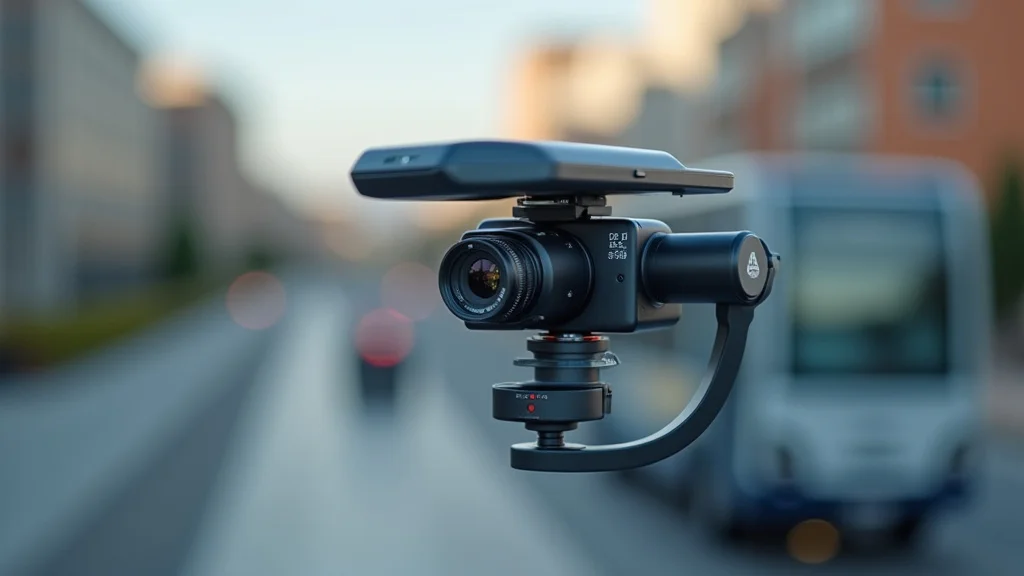
Ever tried filming a smooth, steady video while walking or running? It’s tougher than it looks, right? That’s where stabilization technologies like the gimbal and the gyroscope come into play. This post explores the differences and uses of a gimbal vs gyroscope, so you can choose the right tool for your needs. You’ll learn the key functions of each, along with their pros and cons. By the time you finish reading, you’ll be able to tell the difference between these two technologies and how they keep your videos steady. This information will help boost your video production skills, resulting in higher quality content, increased audience engagement, and less bounce rate!
Key Takeaways
- Understand the fundamental differences between a gimbal and a gyroscope.
- Learn about the applications where each technology excels.
- Discover the advantages and disadvantages of each stabilization method.
- Compare the cost, weight, and complexity of gimbals and gyroscopes.
- Identify which device is better suited for specific filming situations.
- Gain insights into future trends in stabilization technology.
Gimbal versus Gyroscope: Unpacking Stabilization
The quest for steady footage has driven innovation in filming technology. Two main players stand out: the gimbal and the gyroscope. Both are used to counteract unwanted movement and produce stable images. While they share the same goal, their methods and applications differ significantly. A gimbal is a physical device that uses motors to counteract movement, while a gyroscope is a sensor that uses electronic data to perform stabilization. Knowing their differences is key to choosing the right tool for the job. This helps content creators produce smoother, more professional videos and enhance overall viewing experience.
What is a Gimbal?
A gimbal is a physical stabilization system, typically consisting of a series of pivoting arms and motors. These motors actively counteract movement in multiple axes (pan, tilt, and roll). It allows a camera or phone to remain level and steady, regardless of the user’s movements. They are commonly used for handheld video recording, drone photography, and various other applications. They are known for their ability to provide smooth, cinematic shots, even in challenging environments.
- Mechanical Stabilization: Gimbals offer direct mechanical stabilization, physically adjusting the camera position.
- Motorized Precision: Built-in motors actively counteract vibrations and shakes, ensuring smooth footage.
- Wide Application: Suitable for various cameras, smartphones, and even larger equipment.
- Complex Build: Gimbals contain several moving parts and can be complex to operate.
Gimbals have become a favorite tool of filmmakers and videographers. One of the main advantages is their ability to compensate for rapid movements. They provide a high degree of isolation from the operator’s handling. This results in footage that appears professional and polished. Although gimbals require practice to use effectively, the improvement in video quality is significant.
How Gyroscopes Work
A gyroscope, on the other hand, is a sensor that measures orientation using the principle of angular momentum. They can be found in smartphones, cameras, and drones. They detect changes in angular velocity, allowing devices to determine their orientation and make corresponding adjustments. Unlike gimbals, gyroscopes provide digital image stabilization, which relies on cropping and electronic adjustments of the recorded video to reduce unwanted movement.
- Electronic Stabilization: Gyroscopes use digital image stabilization (DIS). This relies on software and sensor data.
- Motion Sensing: A gyroscope’s sensor detects changes in orientation and motion.
- Built-in Convenience: Often integrated into cameras, smartphones, and other devices.
- Software Processing: Stabilized footage requires post-processing or onboard software adjustment.
Gyroscopes are primarily used for digital image stabilization (DIS) or electronic image stabilization (EIS). They are often integrated into smartphones and action cameras. When a gyroscope detects motion, the camera’s software crops the image and shifts the frame to counteract the movement. This process can produce stable footage in a compact and lightweight package. DIS offers a convenient way to stabilize video, but it can lead to a slight loss of image quality.
Comparative Analysis: Gimbal Versus Gyroscope
Choosing between a gimbal and a gyroscope depends on the specific requirements of the filming or recording project. Each technology has its strengths and limitations. This section compares these two technologies, so you can determine the best option for your needs. The choice hinges on factors like desired image quality, portability, and budget. Understanding these differences is crucial for any content creator who wants smooth, professional-looking video.
Advantages of Using a Gimbal
Gimbals are generally praised for their smooth, cinematic results. They excel at isolating the camera from unwanted movement. This leads to high-quality footage. The active stabilization offered by a gimbal is superior in handling significant movement or vibration. It allows the camera to glide smoothly, even in challenging environments. The benefits are especially clear in dynamic shooting situations.
- Superior Stabilization: Gimbal stabilization is more effective in complex environments.
- Professional Results: Gimbals produce professional, cinematic-quality videos.
- Versatile Use: They work well with many camera types and shooting scenarios.
- Creative Flexibility: Gimbals are suitable for complicated shots and dynamic movements.
Gimbals’ effectiveness stems from their physical ability to counteract movement across multiple axes. This results in video that appears remarkably smooth, even when the operator is walking, running, or moving in other ways. Gimbals allow for creative shots that are difficult or impossible to capture with other methods. For example, a gimbal can smoothly transition from a low-angle shot to an overhead view, adding a layer of visual storytelling.
Limitations of Using a Gimbal
Despite their benefits, gimbals have a number of downsides. They can be bulky, heavy, and more expensive than gyroscopic alternatives. Setting up and using a gimbal can be more difficult. They require additional learning. The complex nature of a gimbal can increase the chance of technical problems or malfunctions. The learning curve of a gimbal adds to the time and effort required to produce stable videos.
- Cost and Weight: Gimbals can be heavy, making them tiring to use for extended periods.
- Complexity: Gimbals usually have a steeper learning curve compared to simple DIS.
- Power Dependency: They often need power and may have limited battery life.
- Setup and Transport: Gimbals can be more difficult to set up and transport than devices with built-in stabilization.
The size and weight of gimbals can create challenges, especially for handheld shooting. The weight can quickly fatigue the operator. The cost can also be a barrier, making gimbals less accessible for beginners or those with budget constraints. Furthermore, the operational complexity often results in more time spent on setup and calibration. This slows down production. Finally, gimbals often have a power requirement, meaning they are unusable when the battery runs out.
Advantages of Using Gyroscopic Stabilization
Gyroscopic stabilization, especially as implemented in DIS or EIS, offers numerous advantages. It is often a more compact, cost-effective solution compared to a gimbal. DIS is usually integrated into devices like smartphones and action cameras. The convenience of built-in stabilization means no extra equipment is needed. This makes it a practical option for casual users and those who value portability and simplicity.
- Portability: DIS is often integrated into smaller devices like smartphones.
- Cost-Effective: Gyro-based systems are less expensive than gimbals.
- Ease of Use: Built-in stabilization eliminates the need for any additional setup.
- Convenience: DIS eliminates the need to carry external stabilizers.
The simplicity of DIS makes it accessible to a wider audience. It requires no setup or calibration, and it can be used immediately. It is especially useful for capturing quick, casual video. DIS reduces the need for the user to be concerned with camera stability. This allows them to focus on the content and composition of the shot. For travelers and vloggers, the ease of portability and use is invaluable.
Limitations of Using Gyroscopic Stabilization
Although gyroscopic stabilization is highly convenient, it has limitations. DIS typically uses cropping and digital processing to remove unwanted movement. This can reduce the overall image quality. The amount of cropping depends on the level of movement that must be compensated for. This means DIS is less capable of handling extreme shakes and vibrations. The processing can also lead to issues like “jello effect” or warping.
- Image Quality: DIS can result in some loss of image quality due to cropping.
- Performance: DIS is less effective than gimbals for very shaky footage.
- Digital Artifacts: Digital processing can introduce unwanted visual artifacts.
- Crop Factor: The software may crop the edges of the frame to stabilize.
The reliance on digital processing also means DIS systems can struggle in low-light conditions. The software has less data to work with. DIS systems have a limited ability to correct for severe motion or vibration. This makes them less suitable for shooting in very dynamic environments. While DIS is an excellent option for basic stabilization, users who want professional quality will often opt for a gimbal.
Real-Life Examples and Practical Applications
Understanding the practical applications of gimbals and gyroscopes is key to selecting the appropriate technology. Various examples show the strengths of each. They range from everyday scenarios to professional productions. The choice between them depends on the filming situation, the required level of stability, and the budget.
-
Action Sports: A mountain biker filming a downhill run.
In this scenario, a gimbal might struggle to keep up with the fast movements. DIS in an action camera is likely a better choice. The compact form factor and software-based stabilization help to manage the extreme shakes and vibrations of rough terrain. The DIS minimizes the need for bulky equipment, letting the rider focus on their performance.
-
Wedding Videography: A videographer capturing a couple’s first dance.
A gimbal is ideal here, allowing for smooth tracking of the couple. The gimbal can smoothly pan and tilt to keep the subjects in frame. It removes any distracting camera shakes. The ability to create cinematic movements adds to the professional look of the video.
-
Vlogging: A vlogger recording a walk through a city.
For a vlogger, the choice depends on the shooting style and goals. If a high level of cinematic quality is the goal, then a gimbal is best. If convenience and ease of use are more important, the built-in DIS on a smartphone may be sufficient. DIS enables them to record stable footage without extra gear.
Each of these cases highlights the benefits of each method. A mountain biker in rough terrain benefits most from the compact and robust DIS of an action camera. A wedding videographer can achieve a professional look through the use of a gimbal. For vloggers, the decision comes down to the style of the content.
Advanced Techniques and Additional Considerations
Beyond the fundamental distinctions between gimbal vs gyroscope, a deeper dive into advanced techniques can help improve your results. This goes beyond understanding what each technology does. It covers how to use them to achieve a higher degree of stability and creativity. Considerations such as the importance of proper balance, the impact of post-processing, and the latest trends in stabilization tech are discussed.
Calibration and Setup
Proper calibration and setup are crucial for achieving the best results with either technology. For gimbals, this means ensuring the camera is correctly balanced on the device. This process, often referred to as “balancing,” involves adjusting the camera’s position along each axis until it stays level. Gyroscopic systems, by contrast, require calibration. This ensures the sensors are accurately measuring motion. The instructions for this are usually provided within the device’s software.
- Gimbal Balancing: Balances must be in place before use.
- Gyro Calibration: Regular calibration improves the DIS accuracy.
- Firmware Updates: Updating firmware ensures that devices work correctly.
- Practice and Trial: Test setups to find the best settings for your needs.
Improperly balanced gimbals can cause the motors to work harder. They can cause unwanted vibrations, or even burn out. Regularly calibrating DIS improves the accuracy of the software. Maintaining your device is essential for the best results. Firmware updates can improve performance and reliability. Testing and experimenting with different settings helps you find the most suitable setup for each shooting environment.
Post-Processing for Image Stabilization
Regardless of whether you use a gimbal or a gyroscope, post-processing can improve stability further. Even footage shot with a gimbal can be refined. This is where advanced video editing software comes into play. Several of these programs offer built-in stabilization tools that analyze the footage and smooth out any remaining imperfections. By taking advantage of the stabilization features in your editing software, you can guarantee the best results.
- Software Stabilization: Use video editing software to refine stabilization.
- Motion Tracking: Motion tracking can lock objects and enhance smoothness.
- Reduce Rolling Shutter: Post-processing can fix distortions.
- Color Grading: Color grading improves the footage.
Professional video editing programs offer advanced options to enhance the results. You can track objects in your footage. You can correct rolling shutter, and apply color grading. These techniques help to polish the final video and create professional-quality content.
Emerging Trends in Stabilization Technology
The field of stabilization is constantly evolving. Advances in sensor technology and algorithms are improving the performance of both gimbals and gyroscopes. You can expect to see more compact and lightweight gimbals with better battery life. Software-based image stabilization is becoming more sophisticated, reducing the need for any external equipment. The future holds even more exciting developments for video stabilization.
- AI-Powered Stabilization: AI is being incorporated to enhance tracking and smoothness.
- Advanced Sensor Technology: New sensors are improving the precision of measurements.
- Integration: Devices are becoming increasingly integrated.
- User-Friendly Interfaces: Modern tech is easier to use.
Recent advances show the potential for AI in stabilization. This can track subjects and optimize the stabilization. The incorporation of advanced sensors also guarantees more precise measurements. As devices become more integrated, you can expect improved convenience. The tech is becoming more accessible. This benefits content creators of all skill levels.
Common Myths Debunked
There are many misconceptions about gimbals and gyroscopes. This section debunks some common myths and offers facts about their real capabilities. You can make an informed choice with the correct information.
Myth 1: Gimbals are Always Better Than Gyroscopes
Reality: While gimbals offer superior mechanical stabilization, the “better” choice depends on your needs. For action shots, a DIS with compact design is better. Gimbals add weight and complexity. They also require additional time for set up.
Myth 2: All Gyroscopic Stabilization is the Same
Reality: Not all gyroscopic stabilization is created equal. The quality depends on the device. High-end smartphones have better DIS than budget cameras. Moreover, DIS performance can vary depending on the processing algorithms.
Myth 3: You Always Need a Gimbal for Professional Results
Reality: A gimbal helps achieve that professional look. You can still create amazing video content using DIS. You can achieve excellent results with a steady hand. Software and post-processing can also help. The focus should be on content, story, and composition.
Myth 4: Gimbals are Difficult to Master
Reality: It takes practice to fully utilize a gimbal. Most gimbals are intuitive to use, and learning is simple. There are several online resources and tutorials that can guide users through the process. A couple hours of practice can result in a significant improvement in video quality.
Myth 5: Gyroscopes Don’t Affect Image Quality
Reality: DIS can cause a loss of image quality. This is due to cropping or other digital artifacts. The extent of this loss varies based on the camera. It also depends on how much the image must be stabilized. The quality is a key consideration when choosing between DIS and a gimbal.
Frequently Asked Questions
Question: Which is better for travel videos, a gimbal or DIS?
Answer: DIS systems are more convenient. They are often built into smartphones. A gimbal delivers better results. The DIS is lighter. It is easier to carry around. A gimbal might be more useful if you are making video a core part of your trip.
Question: Can I use a gimbal with any camera?
Answer: Most gimbals work with a variety of cameras. The weight capacity and size of the gimbal must match the camera specifications. You should check the gimbal’s compatibility list.
Question: Do gyroscopes work in low-light conditions?
Answer: DIS systems work best in good light. The algorithms in DIS systems are less effective in low-light situations. This is because the camera has less data to work with. Gimbal stabilization works consistently, regardless of lighting conditions.
Question: Is it necessary to balance a gimbal?
Answer: It is essential to balance a gimbal. Balancing ensures the motors work efficiently. It avoids unwanted vibrations. It also helps to prolong battery life. Balancing also ensures smooth results.
Question: What’s the main difference between DIS and EIS?
Answer: DIS (Digital Image Stabilization) and EIS (Electronic Image Stabilization) are the same thing. The terms are interchangeable. Both refer to systems that use software processing to reduce motion in a video.
Final Thoughts
Choosing between a gimbal vs gyroscope comes down to the requirements of your project. Gimbals offer top-notch stabilization and professional-looking results. They are perfect for complex shoots, dynamic movements, and cinematic shots. Gyroscopes offer ease of use and portability, which is beneficial for everyday videos. You should factor in your budget, and the time you have. Think about how much you are willing to spend, and the overall look you are trying to achieve. Whichever system you decide on, mastering it will enhance your video production skills. Use both in combination with your creativity. You’ll be able to create stunning and memorable videos. Now, go out there and start filming!